
How Digital Devices Contribute to Dry Eye

Digital devices are part of everyday life, from work and school to scrolling, reading, and entertainment. While screens do not directly “damage” the eyes in most cases, long periods of device use can contribute to dry eye symptoms by changing how often and how completely you blink. For many patients in Danbury, dry, tired, or irritated eyes are becoming more noticeable after hours on computers, tablets, and phones.
Why Screens Can Make Dry Eye Worse
When you focus on a screen, your blink rate naturally slows down. Many people also blink less completely, which means the eyelids may not spread tears evenly across the surface of the eye. Over time, this can cause the tear film to evaporate more quickly.
A healthy tear film helps keep the eyes comfortable, clear, and protected. When it becomes unstable, you may notice burning, stinging, watering, redness, blurry vision, or a gritty feeling. These symptoms can feel worse later in the day, especially after extended screen time.
Common Digital Eye Strain and Dry Eye Symptoms
Screen-related dry eye can look different from person to person. Some patients only notice mild discomfort, while others struggle with frequent irritation that affects work, reading, or driving.
Common symptoms may include:
- Burning, stinging, or scratchy eyes
- Blurry vision that comes and goes
- Watery eyes, especially after long screen use
- Redness or tired-looking eyes
- Sensitivity to light
- A feeling that something is in the eye
- Contact lens discomfort
If these symptoms happen often, artificial tears may offer temporary relief, but they may not address the underlying cause.
How Your Environment Plays a Role
Digital device use often happens in environments that can make dry eye worse. Air conditioning, heating, fans, low humidity, and poor lighting can all increase tear evaporation. Looking slightly upward at a monitor can also expose more of the eye’s surface, which may lead to faster drying.
Simple changes can help reduce daily strain. Position your screen slightly below eye level, take regular visual breaks, increase font size when needed, and avoid having air blow directly toward your face. The 20-20-20 rule can also help - every 20 minutes, look at something 20 feet away for at least 20 seconds.
When to Schedule an Eye Exam
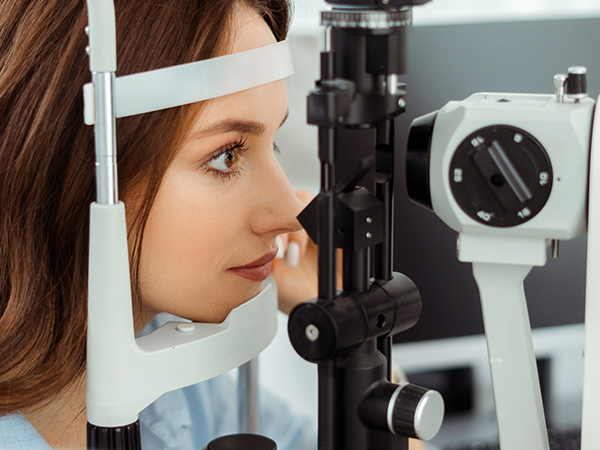
If dry eye symptoms continue despite screen breaks and over-the-counter drops, it may be time for an eye exam. Dry eye can be related to tear quality, tear production, eyelid inflammation, meibomian gland dysfunction, allergies, medications, or other health factors.
At Klear Sight Eyecare Center, comprehensive eye exams include an in-depth evaluation and tailored treatment plans designed to improve long-lasting comfort. Identifying the cause of your symptoms is important because not every type of dry eye responds to the same treatment.
Get Relief From Screen-Related Dry Eye
You do not have to accept dry, irritated eyes as a normal part of using digital devices. With the right evaluation and treatment plan, many patients can improve comfort, reduce irritation, and enjoy clearer vision throughout the day.
Schedule an eye exam with Klear Sight Eyecare Center to discuss your screen-related symptoms and explore personalized treatment options for dry eye relief. Visit our office in Danbury, Connecticut, or call (203) 748-7393 to book an appointment today.
Quick Links
Helpful Articles
article_category: products
article_category: psychiatry
article_category: faqs
article_category: cats
article_category: general
article_category: services
article_category: technology
article_category: dogs
article_category: restorative
article_category: vision therapy
article_category: contact lenses
article_category: health
article_category: conditions
article_category: eye surgery co-management
article_category: exotic
article_category: cosmetic
article_category: surgical procedures
article_category: aesthetics
article_category: preventative
article_category: ocular disease management
article_category: eyeglasses
article_category: eye health
article_category: large animal
[]
article_category: psychiatry
article_category: faqs
article_category: cats
article_category: general
article_category: services
article_category: technology
article_category: dogs
article_category: restorative
article_category: vision therapy
article_category: contact lenses
article_category: health
article_category: conditions
article_category: eye surgery co-management
article_category: exotic
article_category: cosmetic
article_category: surgical procedures
article_category: aesthetics
article_category: preventative
article_category: ocular disease management
article_category: eyeglasses
article_category: eye health
article_category: large animal
[]
Flowbite is an open-source library of interactive components built on top of Tailwind CSS including buttons, dropdowns, modals, navbars, and more.
Check out this guide to learn how to get started and start developing websites even faster with components on top of Tailwind CSS.
All Eye Care Services
Find personalized eye care excellence with our comprehensive services. From eye exams to advanced diagnostics, trust us for all your vision needs.

Keep In Touch
For non-urgent questions or to learn more about our services, contact us today!
Quick Links
Our Services
Contact Info
- 57 North St, Ste 103
Danbury, CT 06810 - Phone: (203) 748-7393
- Fax: (203) 743-2825
Hours of Operation
Hours of Operation
- Monday 8:00am - 4:00pm
- Tuesday 8:00am - 4:00pm
- Wednesday Closed
- Thursday 8:00am - 4:00pm
- Friday 8:00am - 4:00pm
- Saturday 8:00am - 12:00pm
- Sunday Closed
- Monday
- Tuesday
- Wednesday
- Thursday
- Friday
- Saturday
- Sunday
- Monday
- Tuesday
- Wednesday
- Thursday
- Friday
- Saturday
- Sunday
© 2026 Klear Sight Eyecare Center. All rights Reserved - Accessibility Statement - Privacy Policy - Sitemap
Managed and Designed by 