
How Fast Does Macular Degeneration Progress?

Macular degeneration is a common eye condition that affects the macula, the part of the retina responsible for sharp central vision. Many patients ask how quickly it gets worse, but the answer depends on the type of macular degeneration, overall eye health, and how early it is diagnosed. At Klear Sight Eyecare Center, patients in Danbury, CT can benefit from ongoing monitoring and medical eye care designed to catch changes as early as possible.
Progression Can Vary From Person to Person
Age-related macular degeneration, often called AMD, does not progress at the same speed for everyone. Some people experience gradual changes over many years, while others may notice vision changes more quickly. Dry AMD usually develops slowly, while wet AMD can progress faster and may lead to more sudden vision loss if not diagnosed and treated promptly.
Because the early stages may not cause obvious symptoms, many patients do not realize anything is changing until reading, driving, or recognizing faces becomes more difficult.
Dry AMD vs. Wet AMD
There are two main types of macular degeneration, and each follows a different course.
- Dry AMD is more common and usually progresses gradually over time
- Wet AMD is less common but tends to advance faster and can cause rapid central vision changes
- Early detection helps identify which type is present and whether close monitoring or treatment is needed
Understanding the difference is important because the timeline, risk, and treatment approach can vary significantly.
Early Signs Are Easy to Miss
Macular degeneration often begins with subtle symptoms. Straight lines may look wavy, colors may seem less vivid, or the center of vision may appear blurry. In early stages, these changes can be mild enough to overlook.
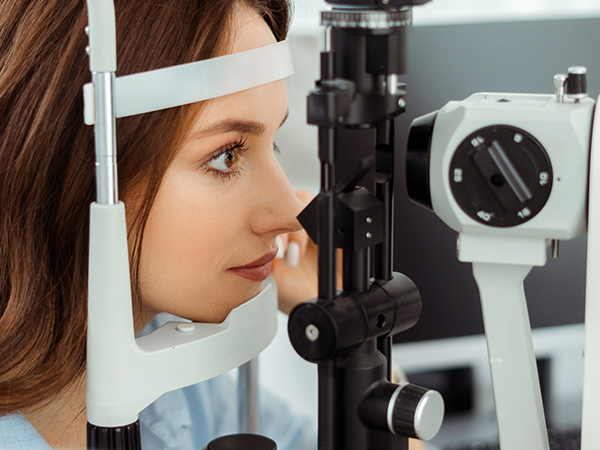
That is why routine medical eye exams and comprehensive eye exams play such an important role in early detection. Regular visits allow your eye doctor to evaluate the retina, monitor for progression, and look for signs that may not yet be affecting your daily vision.
Why Monitoring Matters
Even when macular degeneration is progressing slowly, regular monitoring is essential. Small retinal changes can indicate that dry AMD is advancing or that wet AMD may be developing. Detecting these changes early can make a meaningful difference in preserving vision.
Patients with a family history of AMD, a history of smoking, or age-related vision concerns may need closer follow-up. Our eye doctor in Danbury, Dr. Korab Spahiu, can recommend how often you should be seen based on your risk factors and current retinal health.
What You Can Do to Protect Your Vision
While macular degeneration cannot always be prevented, there are ways to support long-term eye health. Managing risk factors, keeping up with routine medical eye exams, and reporting vision changes right away can all help. Early diagnosis gives patients the best chance to preserve functional vision and receive timely care when needed.
If you have noticed blurred central vision, distortion, or changes in how clearly you see detail, it is important not to wait. A proper evaluation can help determine whether macular degeneration or another retinal condition may be involved.
Schedule an eye exam at Klear Sight Eyecare Center to stay ahead of macular degeneration with early detection, routine monitoring, and personalized eye care. Visit our office in Danbury, Connecticut, or call (203) 748-7393 to book an appointment today.
Quick Links
Helpful Articles
article_category: products
article_category: psychiatry
article_category: faqs
article_category: cats
article_category: general
article_category: services
article_category: technology
article_category: dogs
article_category: restorative
article_category: vision therapy
article_category: contact lenses
article_category: health
article_category: conditions
article_category: eye surgery co-management
article_category: exotic
article_category: cosmetic
article_category: surgical procedures
article_category: aesthetics
article_category: preventative
article_category: ocular disease management
article_category: eyeglasses
article_category: eye health
article_category: large animal
[]
article_category: psychiatry
article_category: faqs
article_category: cats
article_category: general
article_category: services
article_category: technology
article_category: dogs
article_category: restorative
article_category: vision therapy
article_category: contact lenses
article_category: health
article_category: conditions
article_category: eye surgery co-management
article_category: exotic
article_category: cosmetic
article_category: surgical procedures
article_category: aesthetics
article_category: preventative
article_category: ocular disease management
article_category: eyeglasses
article_category: eye health
article_category: large animal
[]
Flowbite is an open-source library of interactive components built on top of Tailwind CSS including buttons, dropdowns, modals, navbars, and more.
Check out this guide to learn how to get started and start developing websites even faster with components on top of Tailwind CSS.
All Eye Care Services
Find personalized eye care excellence with our comprehensive services. From eye exams to advanced diagnostics, trust us for all your vision needs.

Keep In Touch
For non-urgent questions or to learn more about our services, contact us today!
Quick Links
Our Services
Contact Info
- 57 North St, Ste 103
Danbury, CT 06810 - Phone: (203) 748-7393
- Fax: (203) 743-2825
Hours of Operation
Hours of Operation
- Monday 8:00am - 4:00pm
- Tuesday 8:00am - 4:00pm
- Wednesday Closed
- Thursday 8:00am - 4:00pm
- Friday 8:00am - 4:00pm
- Saturday 8:00am - 12:00pm
- Sunday Closed
- Monday
- Tuesday
- Wednesday
- Thursday
- Friday
- Saturday
- Sunday
- Monday
- Tuesday
- Wednesday
- Thursday
- Friday
- Saturday
- Sunday
© 2026 Klear Sight Eyecare Center. All rights Reserved - Accessibility Statement - Privacy Policy - Sitemap
Managed and Designed by 