
Macular Degeneration Risk Factors: Age, Genetics, Lifestyle, and Eye Health

Macular degeneration is an eye condition that affects the macula, the part of the retina responsible for sharp central vision. While it does not usually cause total blindness, it can make everyday tasks like reading, driving, recognizing faces, and seeing fine details more difficult. Understanding macular degeneration risk factors can help patients take a more proactive approach to long-term eye health.
Age And Macular Degeneration
Age is one of the most common risk factors for macular degeneration. Age-related macular degeneration, often called AMD, is more likely to develop as the eyes and retinal tissues change over time. Because early AMD may not cause obvious symptoms, routine eye exams become especially important for adults over 50.
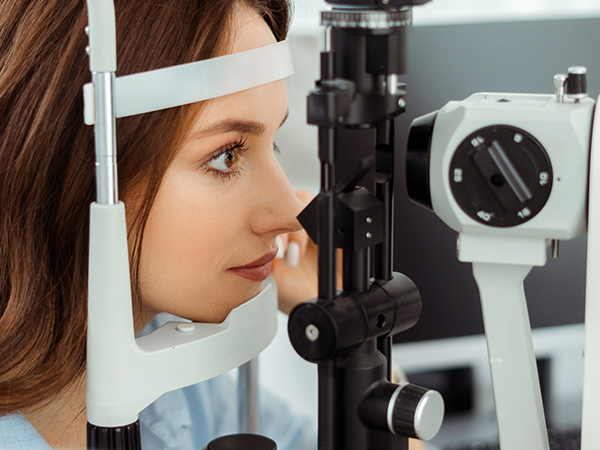
A comprehensive eye exam allows your eye doctor to look closely at the retina and macula, even before noticeable vision changes occur. Early detection gives patients more time to monitor changes, discuss lifestyle adjustments, and follow a personalized care plan.
Genetics And Family History
Family history also plays an important role in macular degeneration risk. If a parent, sibling, or close relative has been diagnosed with AMD, your own risk may be higher. Genetics does not mean you will definitely develop macular degeneration, but it does make regular eye health monitoring more important.
Patients with a family history of macular degeneration should tell their eye doctor during their exam. This helps guide how often the retina should be checked and whether additional monitoring may be recommended.
Lifestyle Habits That Affect Eye Health
Certain lifestyle choices can influence the health of the retina and may affect the risk of developing or worsening macular degeneration. While not every risk factor can be controlled, many daily habits can support healthier eyes over time.
Lifestyle factors linked to macular degeneration risk include:
• Smoking or long-term tobacco use
• Diets low in leafy greens, fruits, and nutrient-rich foods
• High blood pressure or cardiovascular health concerns
• Limited physical activity
• Long-term sun exposure without proper UV protection
Making healthier choices does not guarantee prevention, but it can support overall eye health and may help reduce avoidable risk.
The Importance of Early Detection
Macular degeneration can progress slowly, and many people do not notice changes right away. This is why regular eye exams are important, especially for patients with age, genetics, or lifestyle-related risk factors.
During an eye exam, our optometrist can evaluate your retinal health, check for early signs of macular changes, and recommend next steps based on your needs. If you already have AMD, ongoing monitoring can help track progression and support timely treatment or referral when needed.
Protecting Your Vision Over Time
Maintaining healthy vision is not just about updating your glasses or contact lens prescription. It also means paying attention to the long-term health of your eyes. If you are concerned about macular degeneration risk factors, have a family history of AMD, or have noticed changes in your central vision, scheduling an eye exam is an important next step.
Schedule a your eye exam with Klear Sight Eyecare Center to protect your sight and stay ahead of AMD. Visit our office in Danbury, Connecticut, or call (203) 748-7393 to book an appointment today.
Quick Links
Helpful Articles
article_category: products
article_category: psychiatry
article_category: faqs
article_category: cats
article_category: general
article_category: services
article_category: technology
article_category: dogs
article_category: restorative
article_category: vision therapy
article_category: contact lenses
article_category: health
article_category: conditions
article_category: eye surgery co-management
article_category: exotic
article_category: cosmetic
article_category: surgical procedures
article_category: aesthetics
article_category: preventative
article_category: ocular disease management
article_category: eyeglasses
article_category: eye health
article_category: large animal
[]
article_category: psychiatry
article_category: faqs
article_category: cats
article_category: general
article_category: services
article_category: technology
article_category: dogs
article_category: restorative
article_category: vision therapy
article_category: contact lenses
article_category: health
article_category: conditions
article_category: eye surgery co-management
article_category: exotic
article_category: cosmetic
article_category: surgical procedures
article_category: aesthetics
article_category: preventative
article_category: ocular disease management
article_category: eyeglasses
article_category: eye health
article_category: large animal
[]
Flowbite is an open-source library of interactive components built on top of Tailwind CSS including buttons, dropdowns, modals, navbars, and more.
Check out this guide to learn how to get started and start developing websites even faster with components on top of Tailwind CSS.
All Eye Care Services
Find personalized eye care excellence with our comprehensive services. From eye exams to advanced diagnostics, trust us for all your vision needs.

Keep In Touch
For non-urgent questions or to learn more about our services, contact us today!
Quick Links
Our Services
Contact Info
- 57 North St, Ste 103
Danbury, CT 06810 - Phone: (203) 748-7393
- Fax: (203) 743-2825
Hours of Operation
Hours of Operation
- Monday 8:00am - 4:00pm
- Tuesday 8:00am - 4:00pm
- Wednesday Closed
- Thursday 8:00am - 4:00pm
- Friday 8:00am - 4:00pm
- Saturday 8:00am - 12:00pm
- Sunday Closed
- Monday
- Tuesday
- Wednesday
- Thursday
- Friday
- Saturday
- Sunday
- Monday
- Tuesday
- Wednesday
- Thursday
- Friday
- Saturday
- Sunday
© 2026 Klear Sight Eyecare Center. All rights Reserved - Accessibility Statement - Privacy Policy - Sitemap
Managed and Designed by 